Abstract Expressionism is a distinctive art style that emerged in the mid-20th century, characterized primarily...
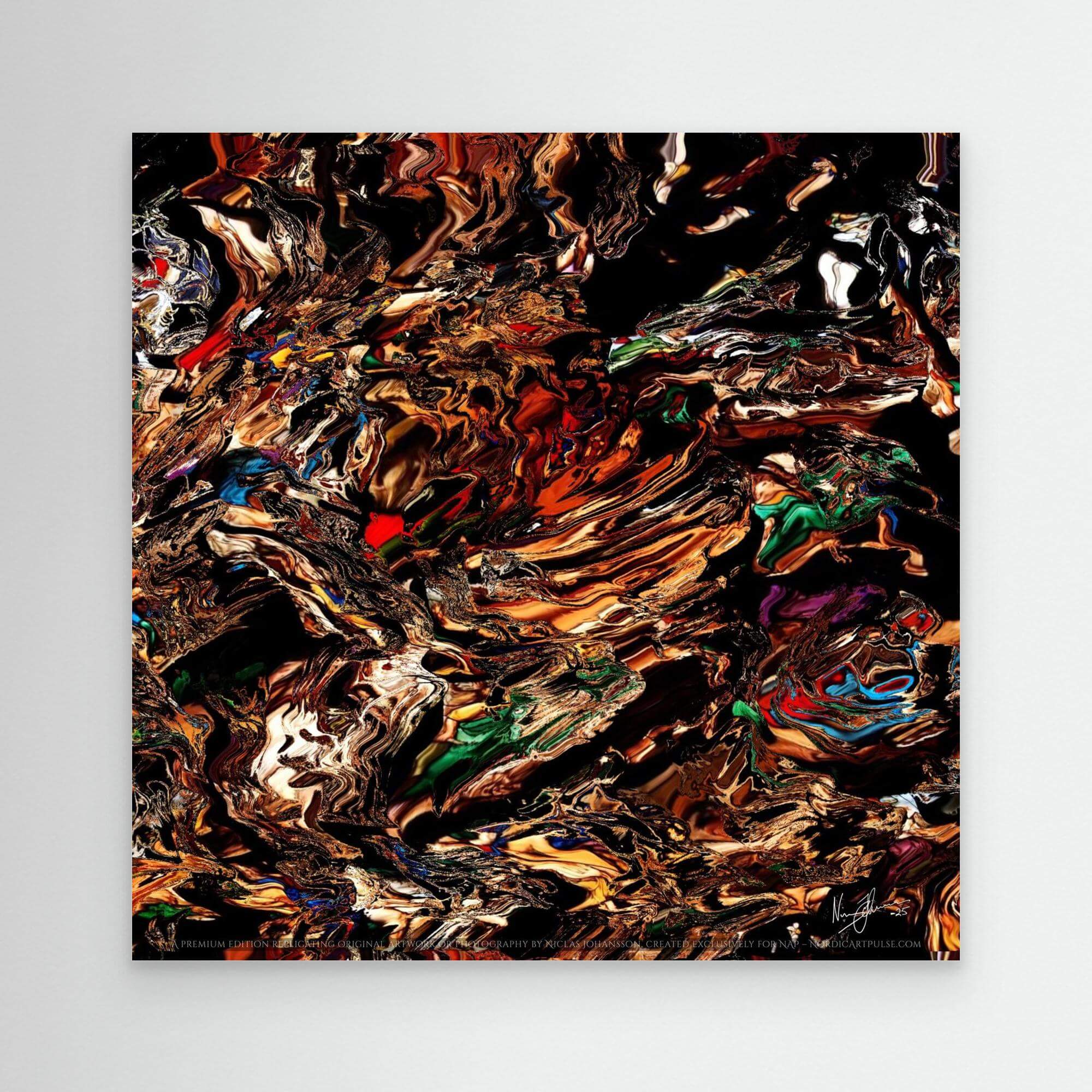
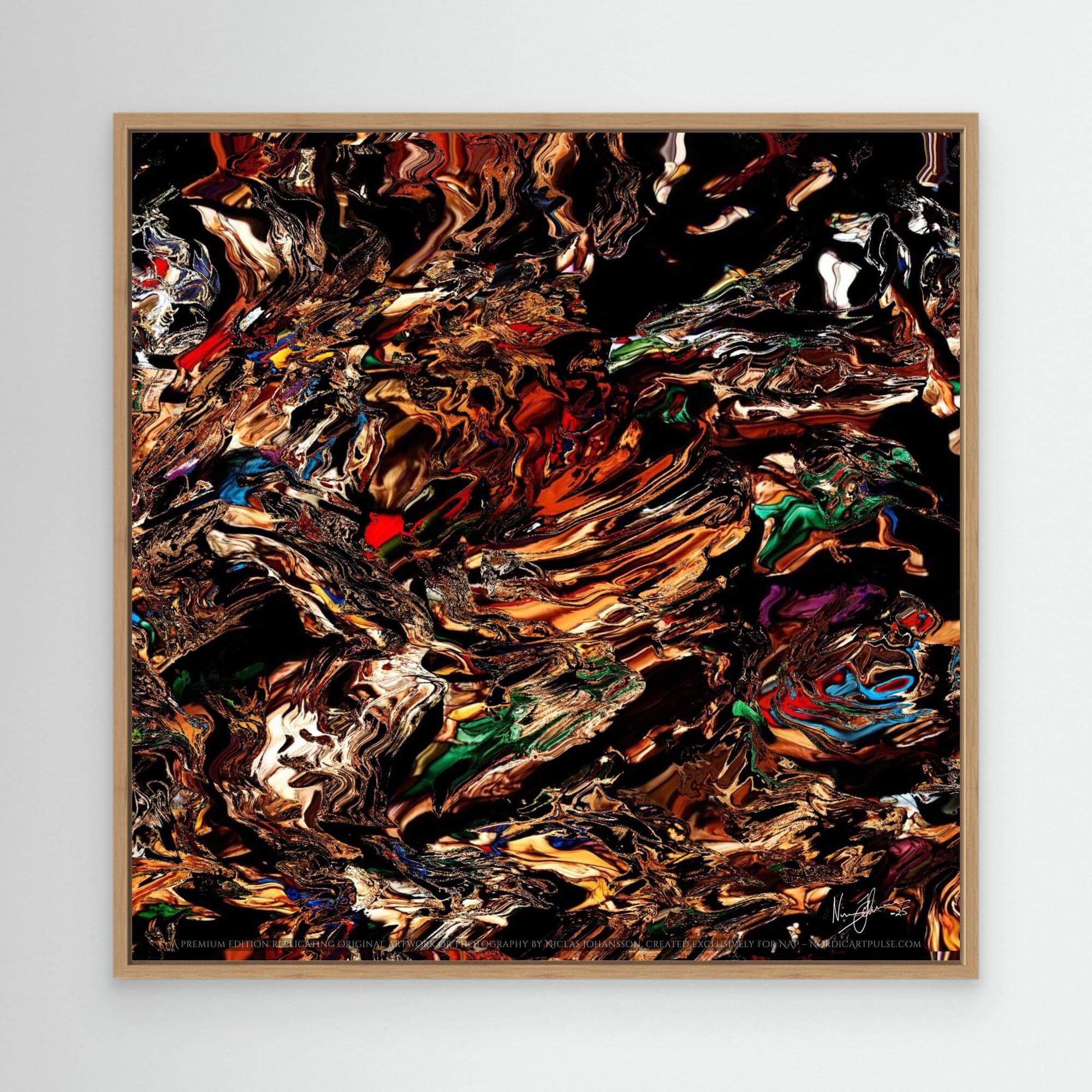
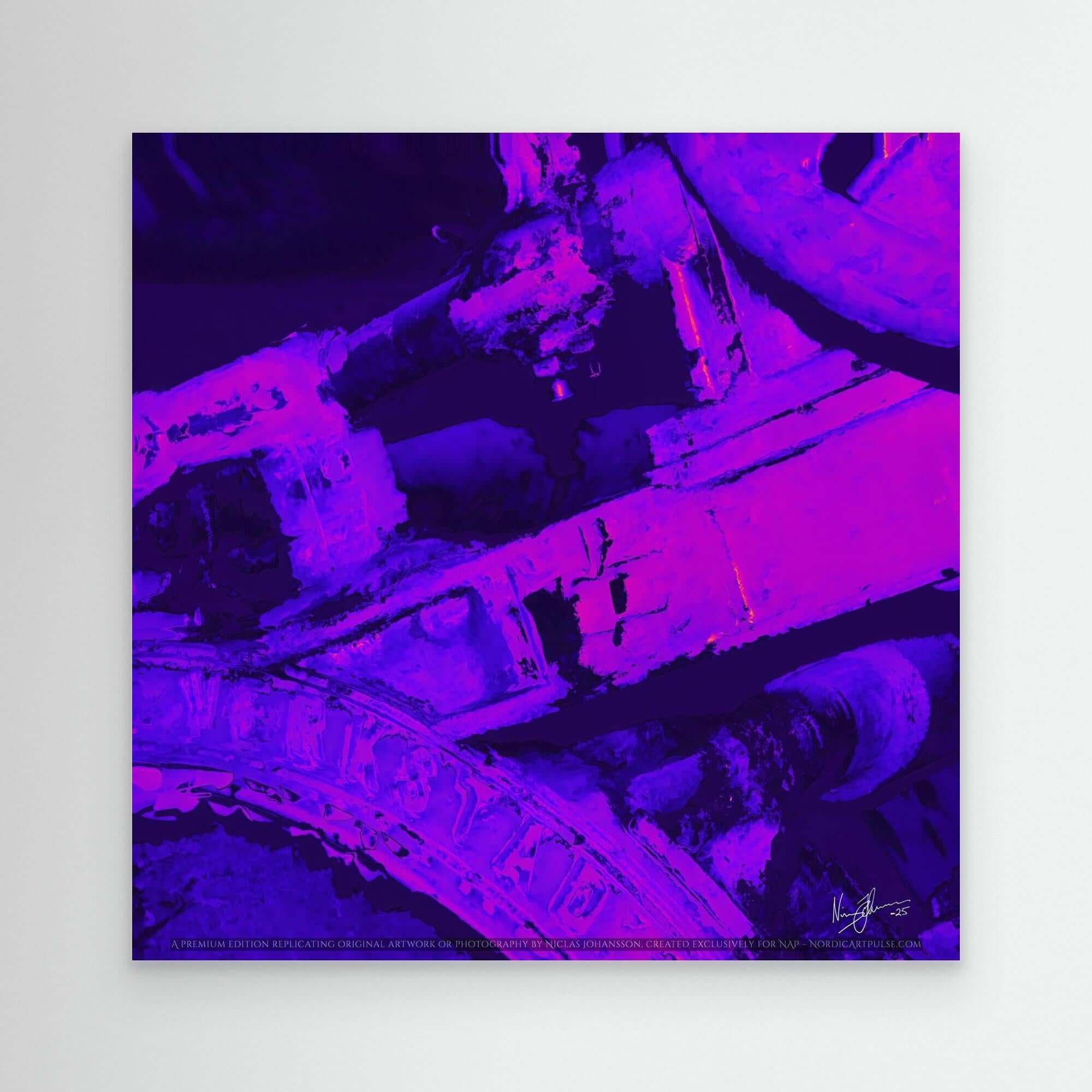
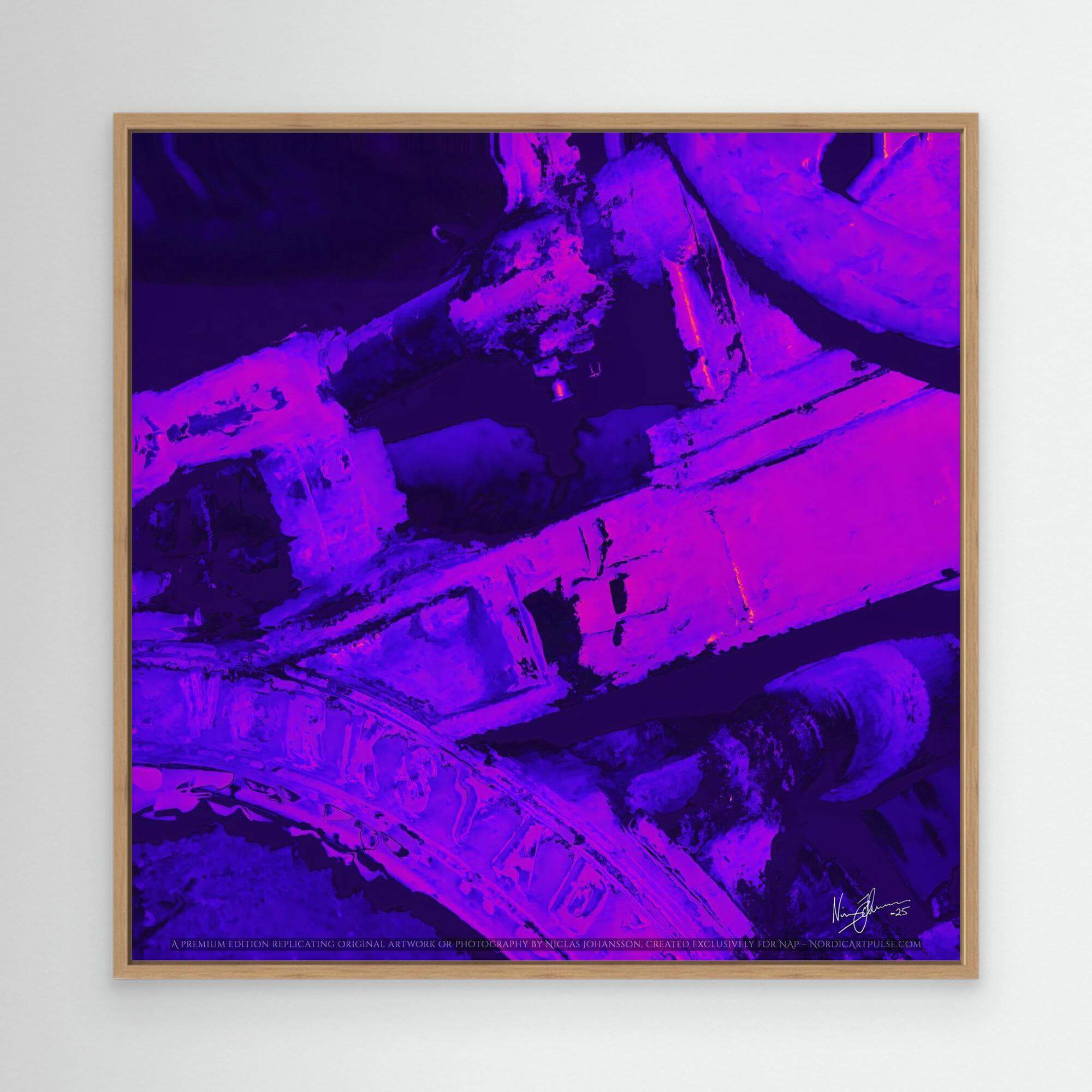
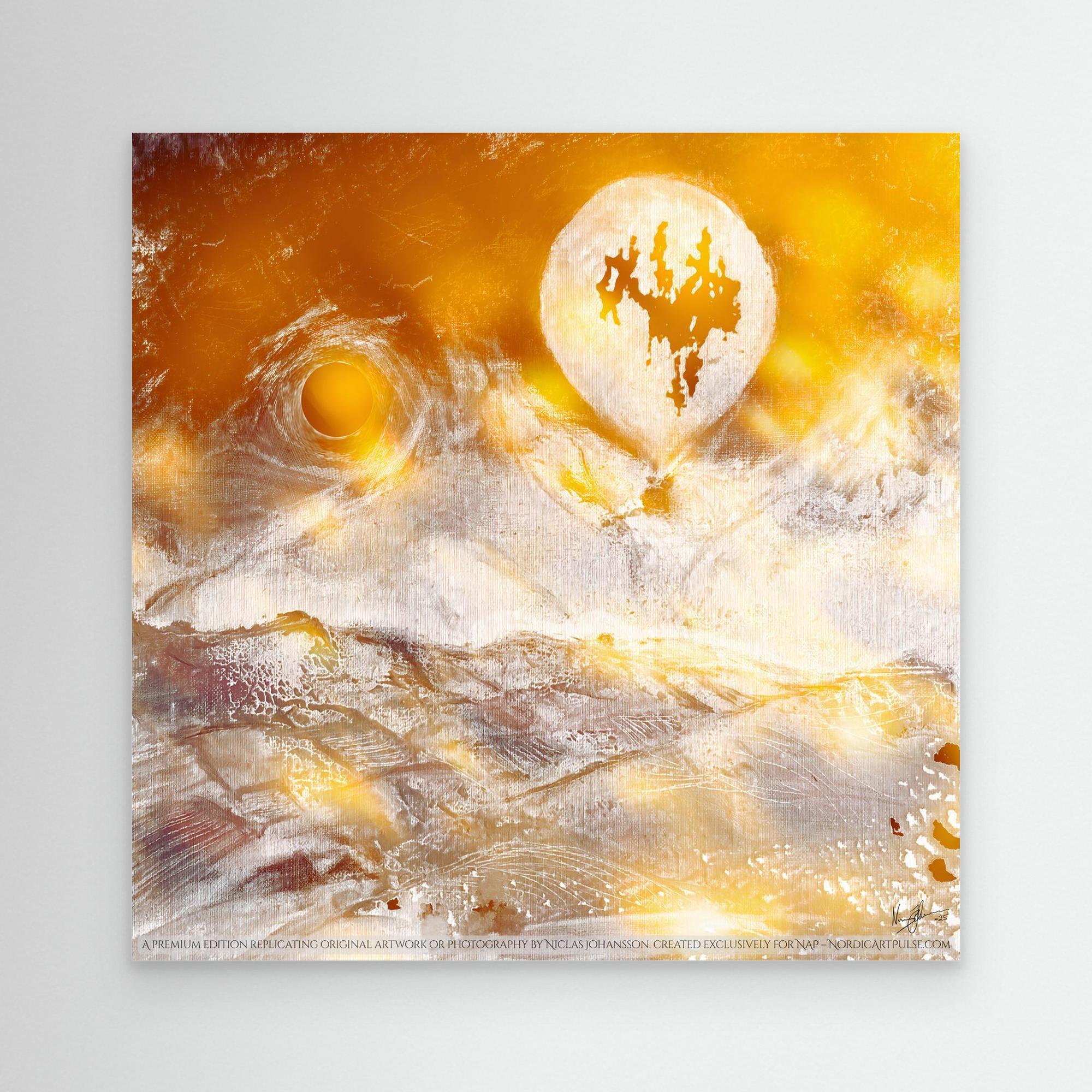
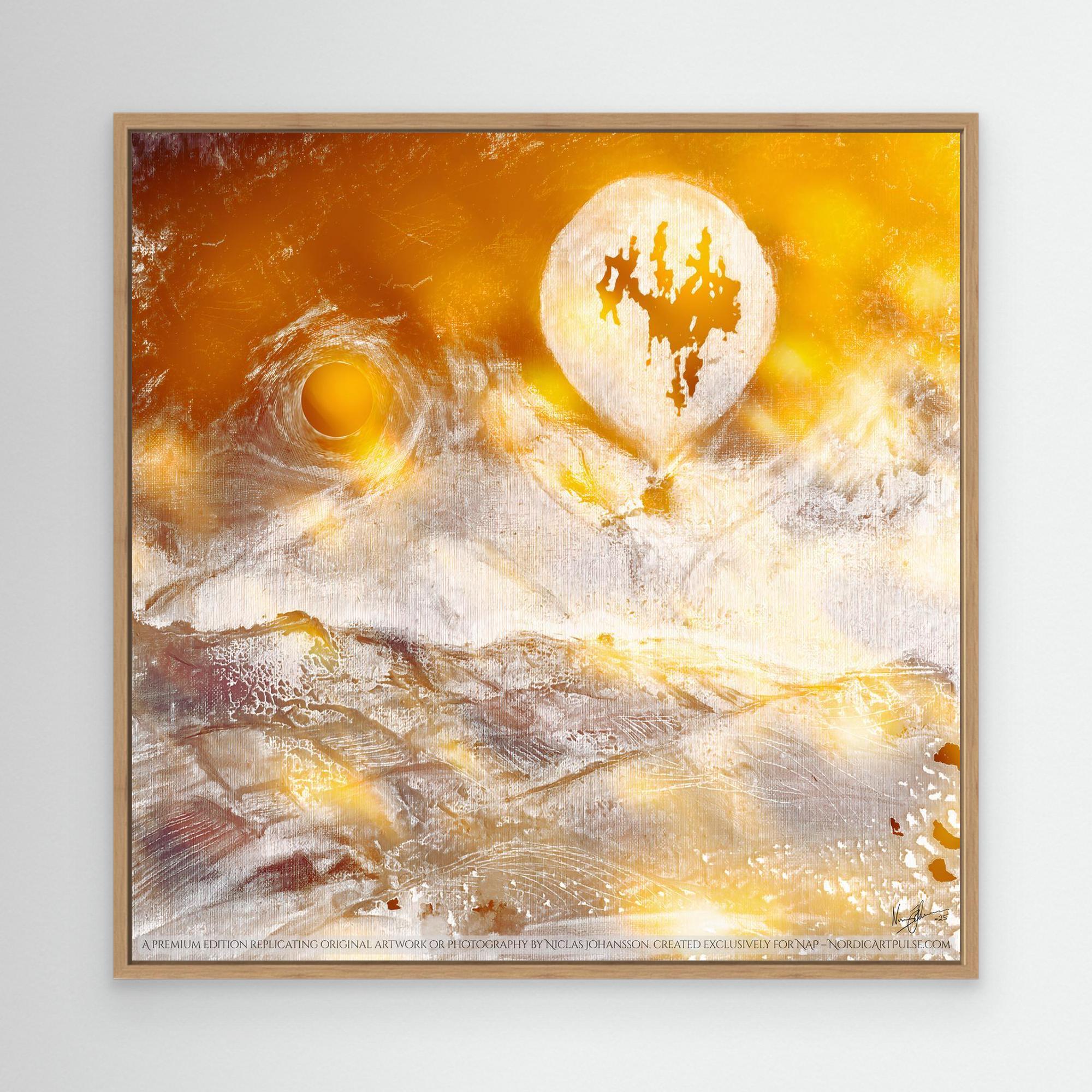
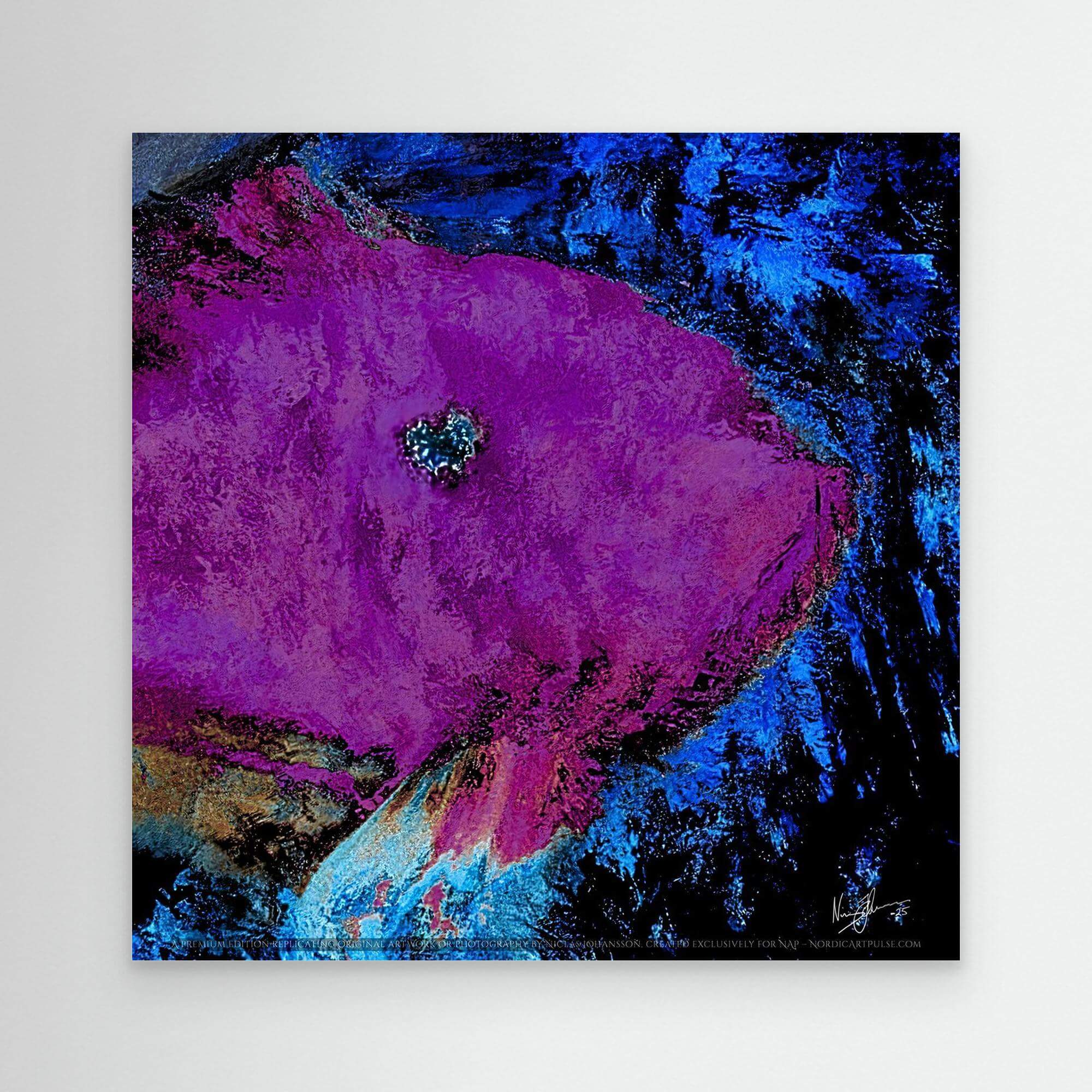
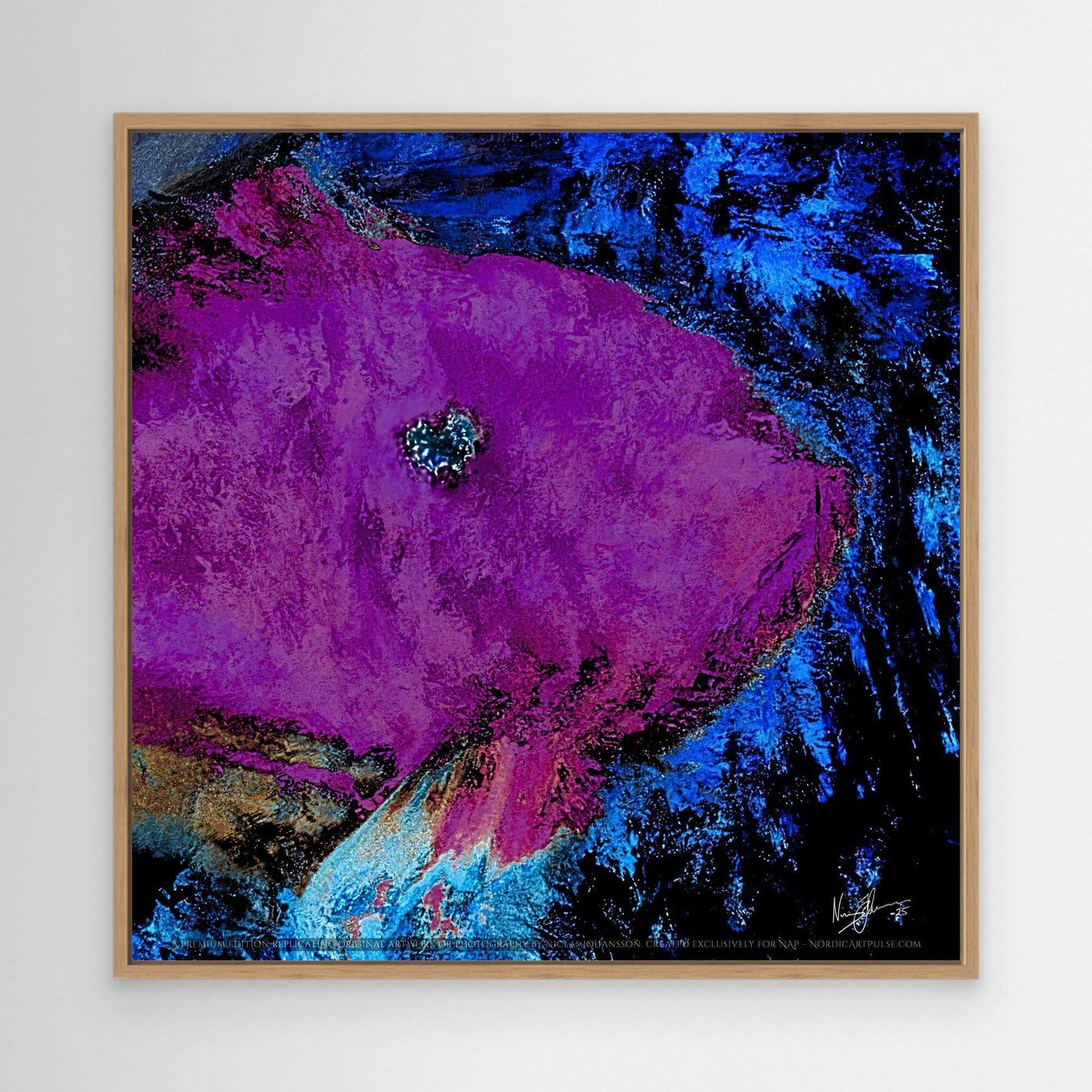
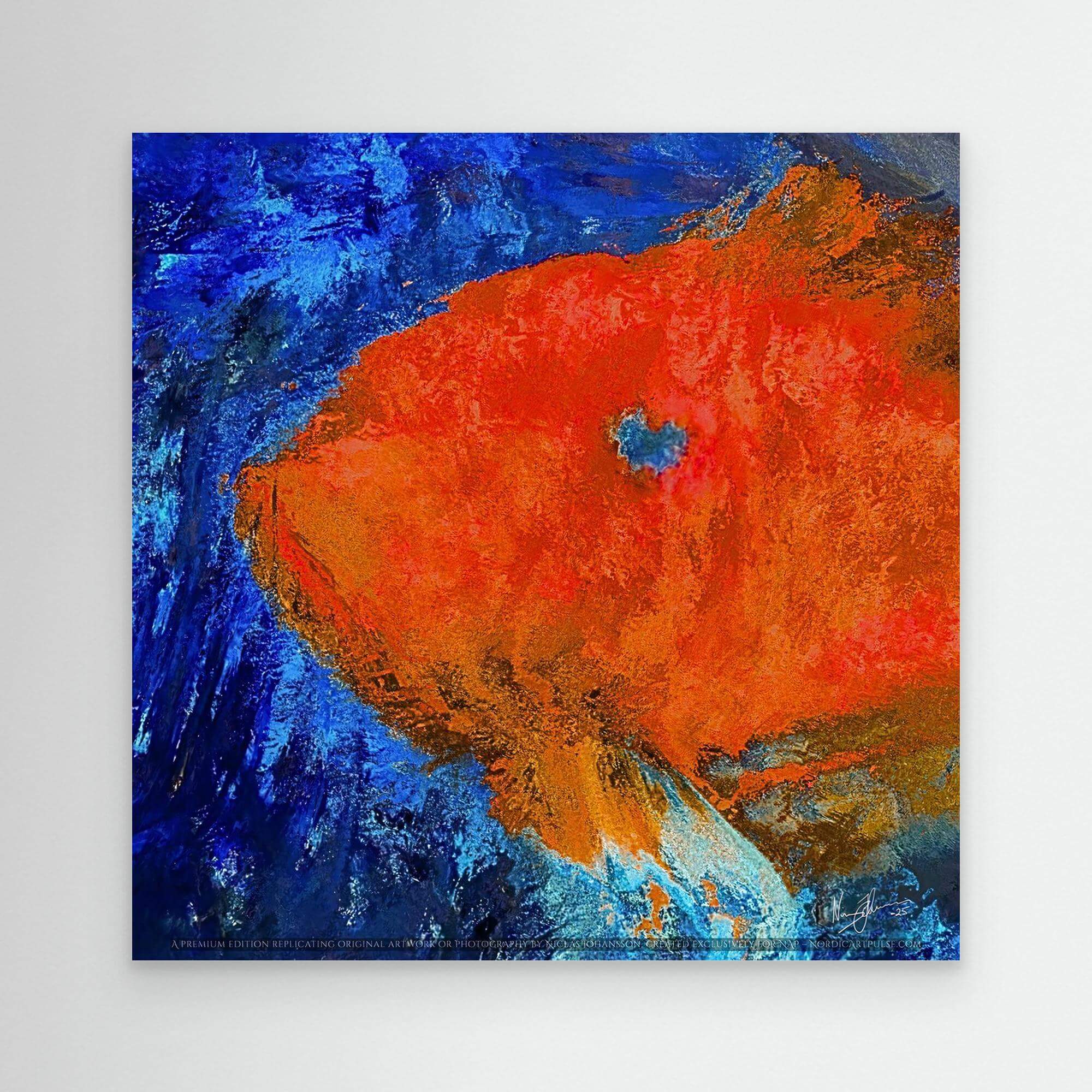
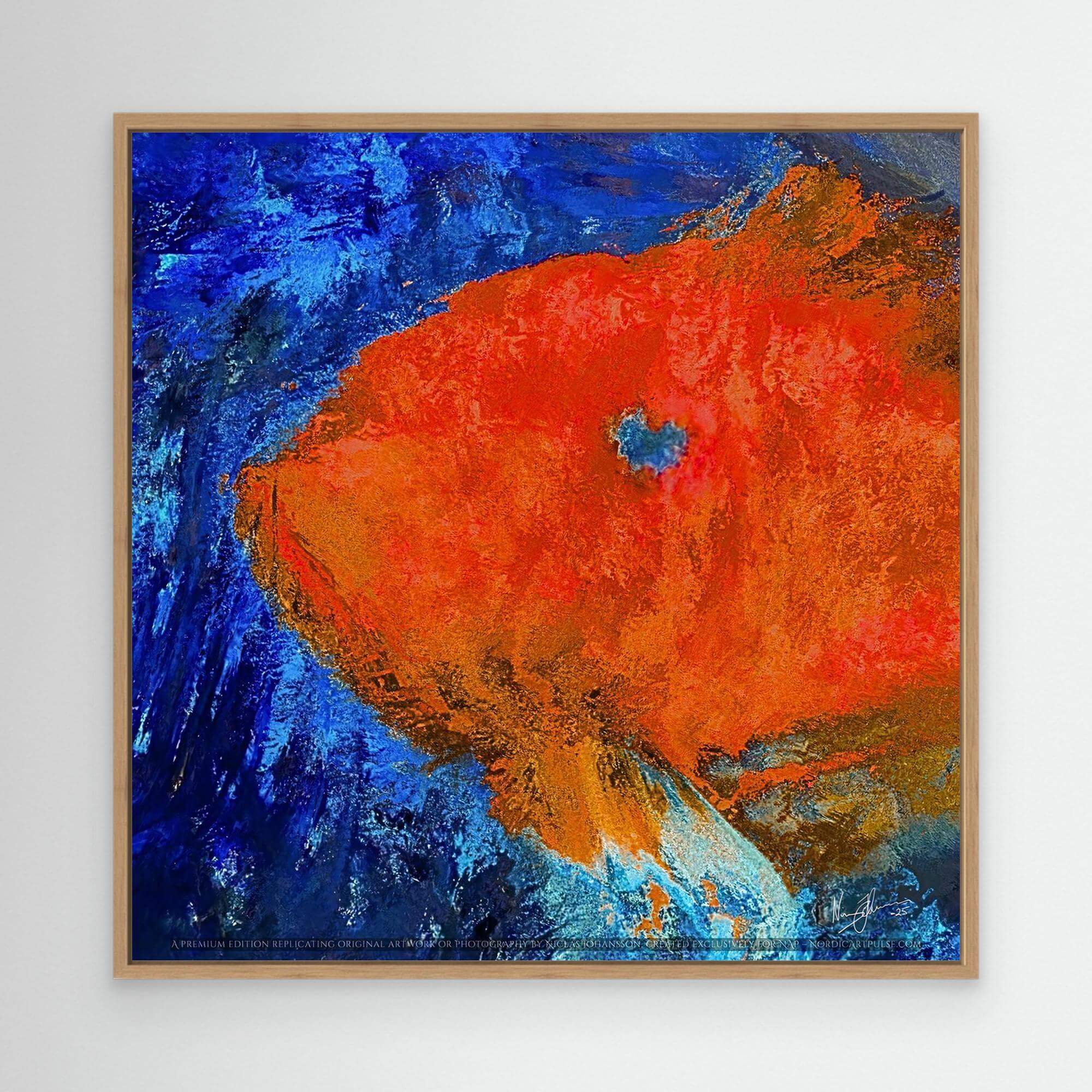
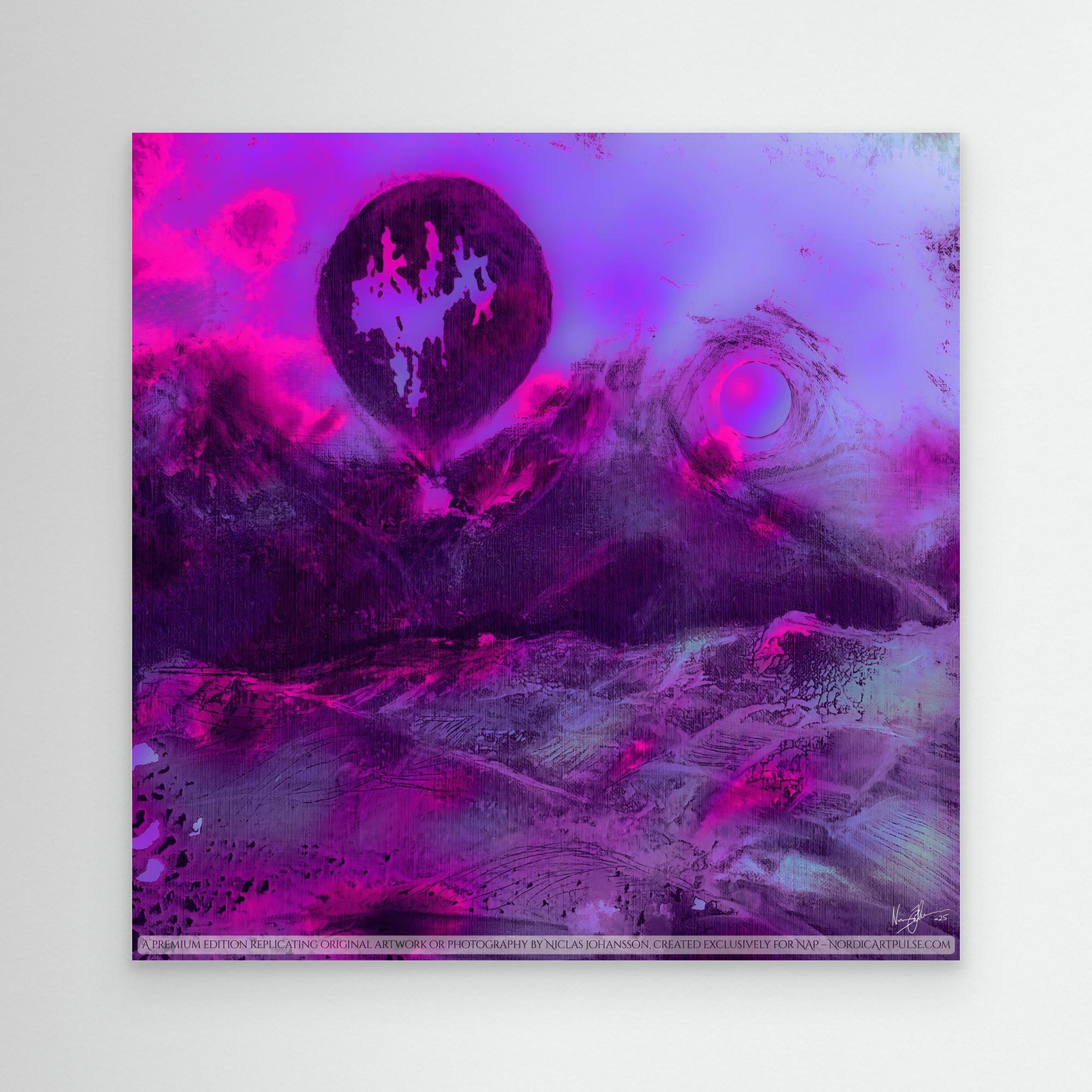
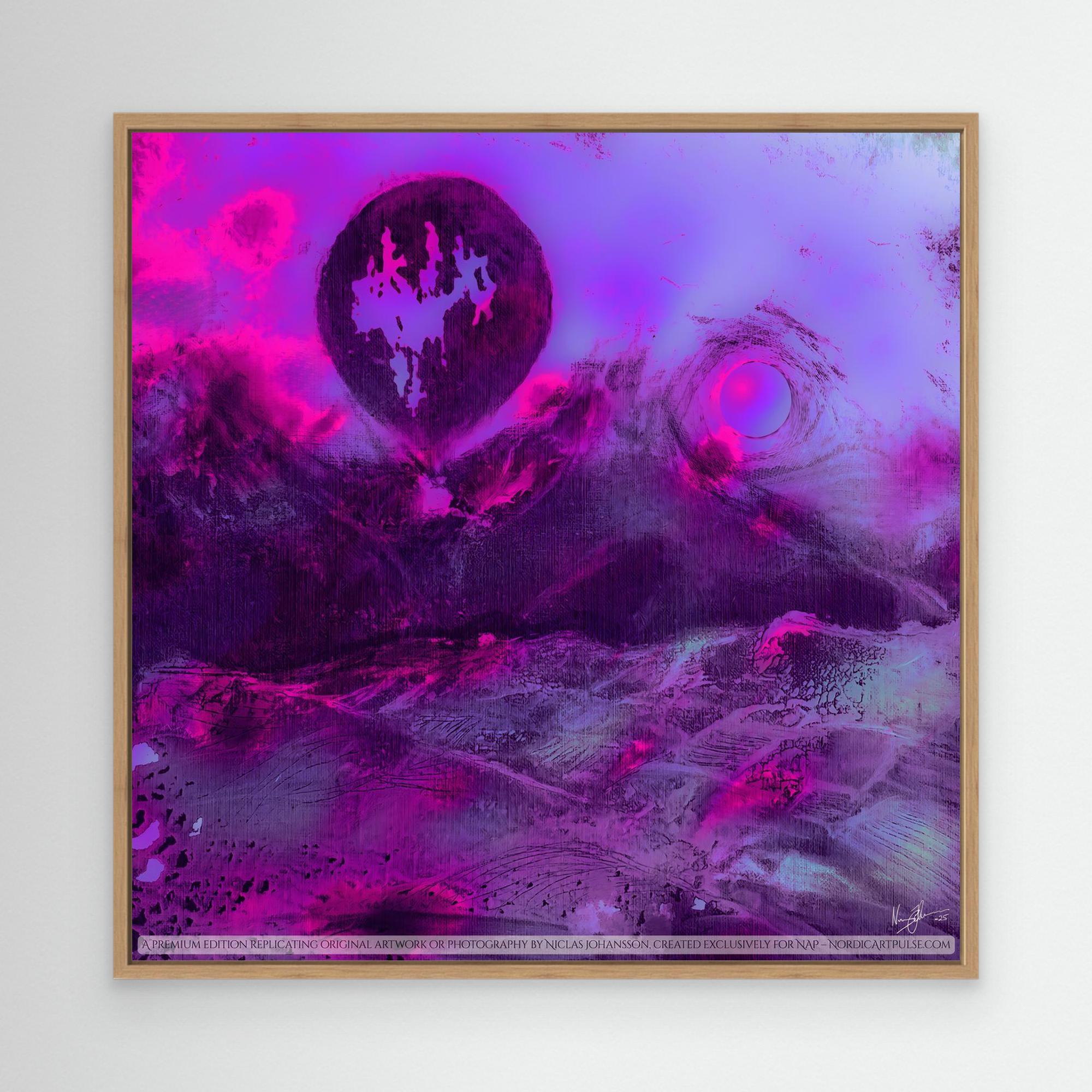
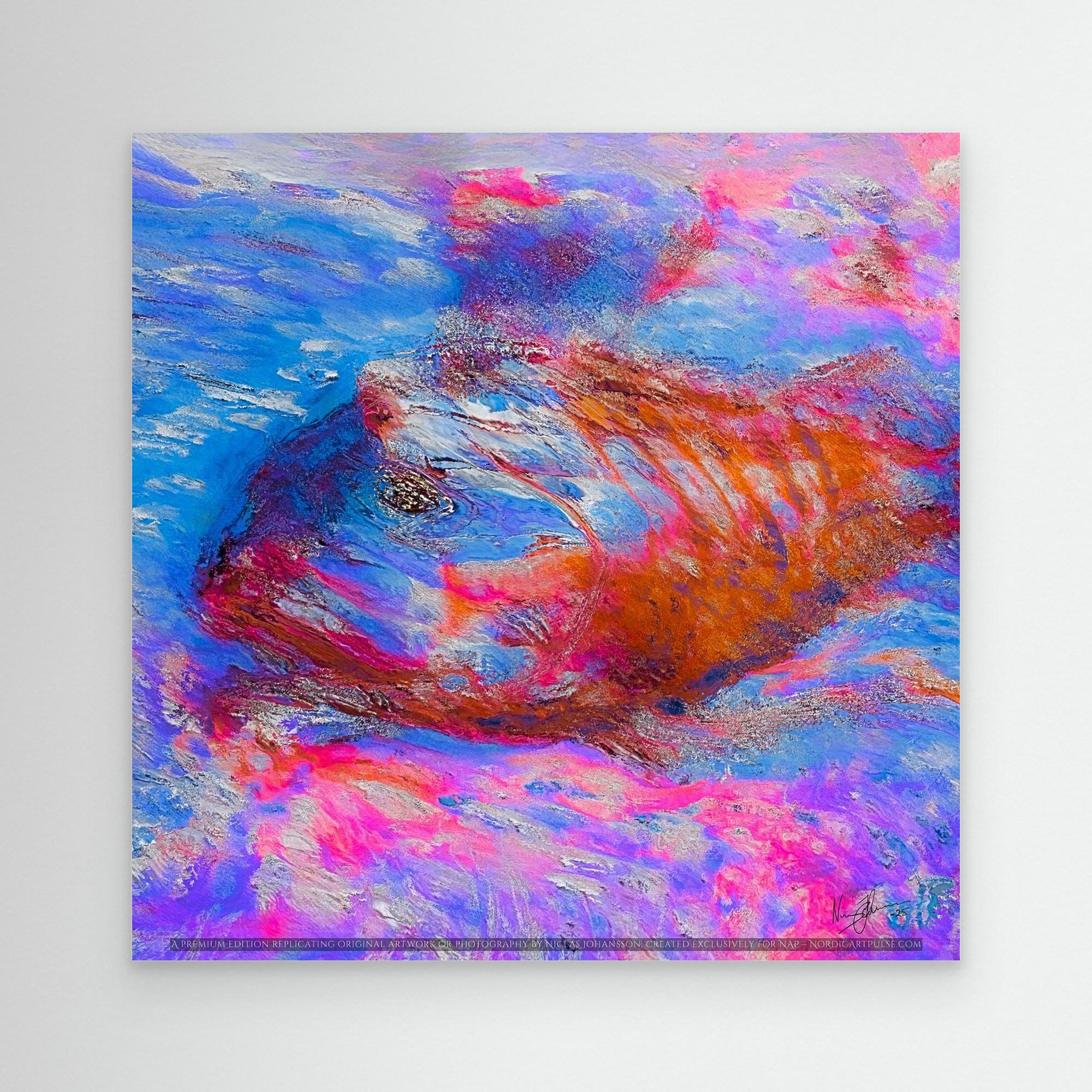
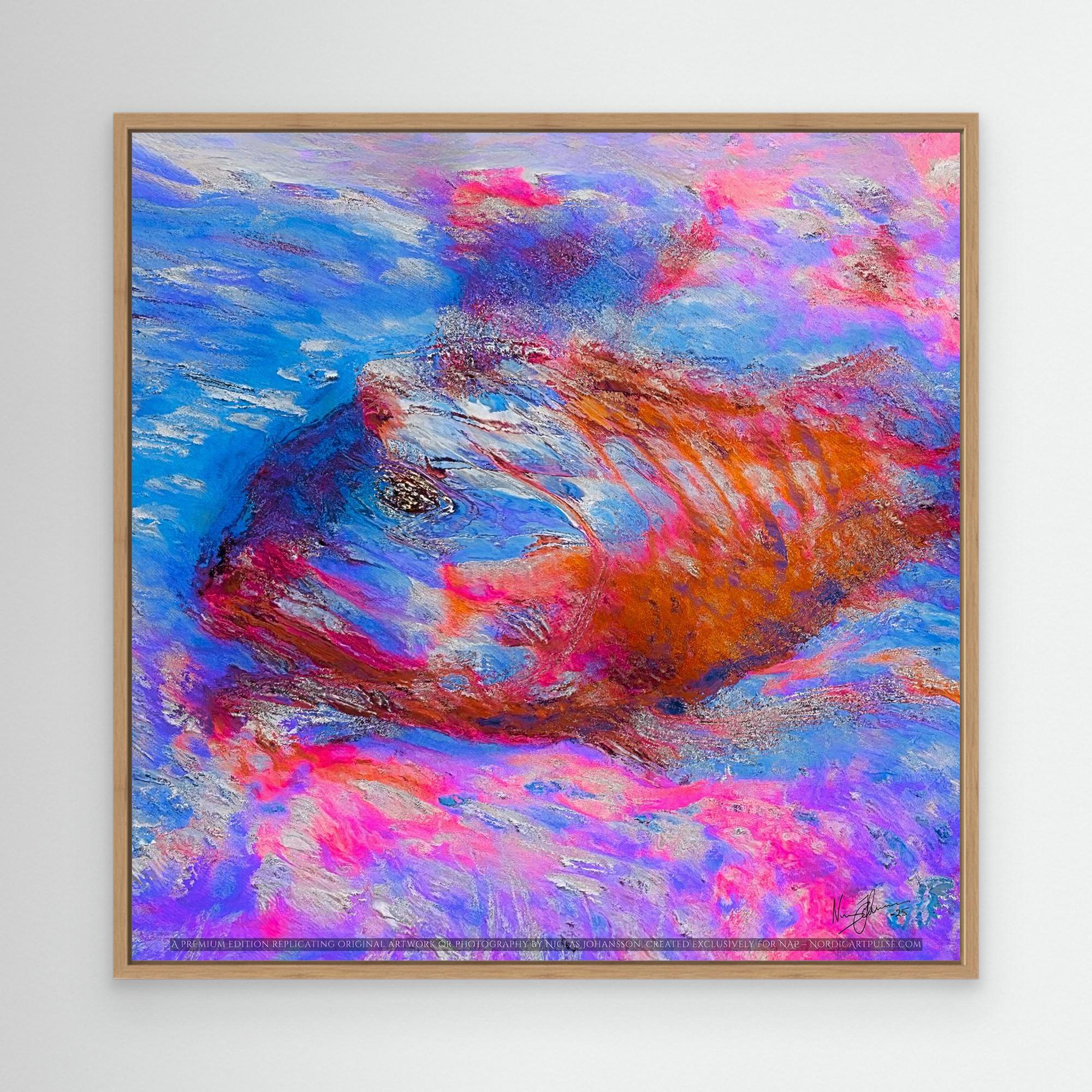
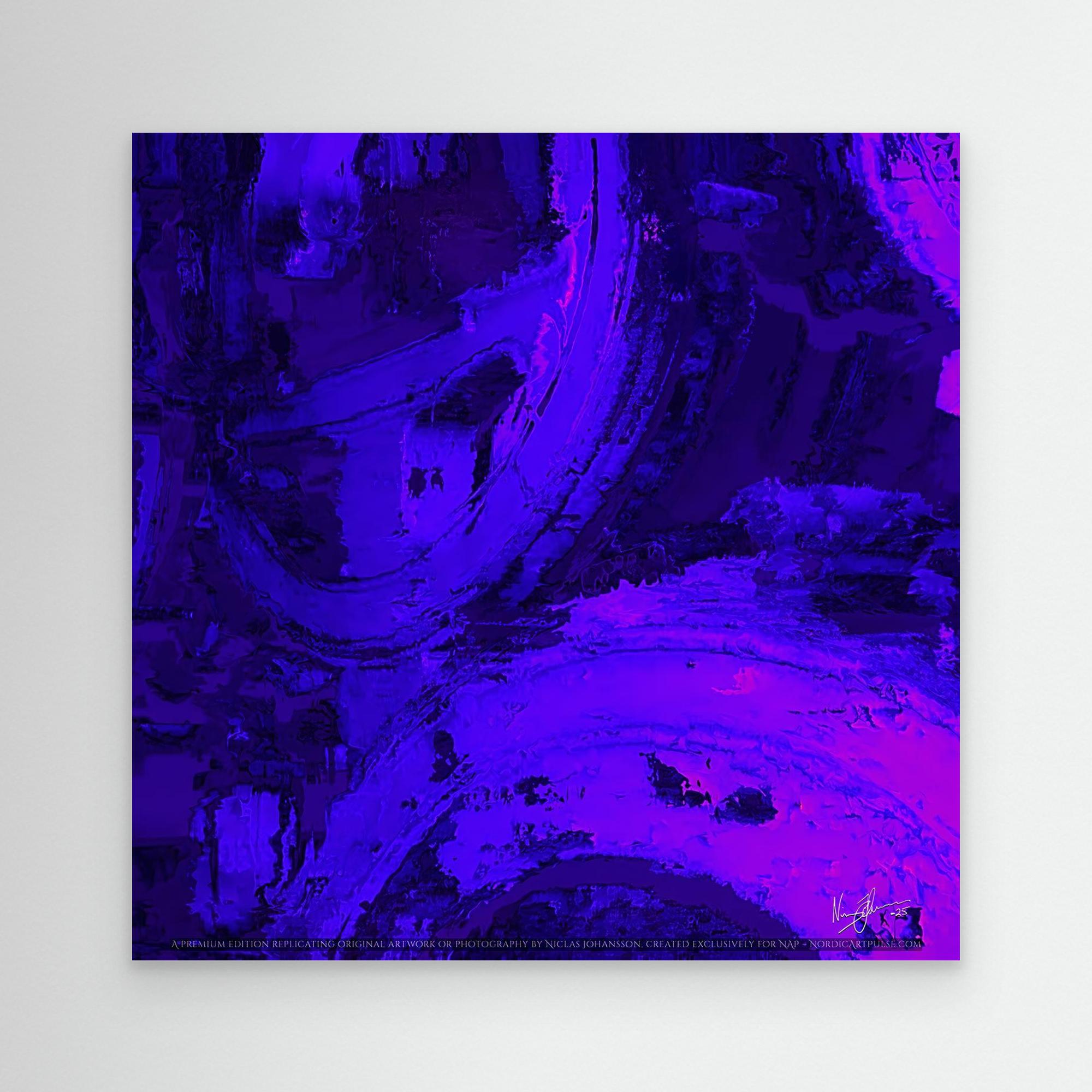
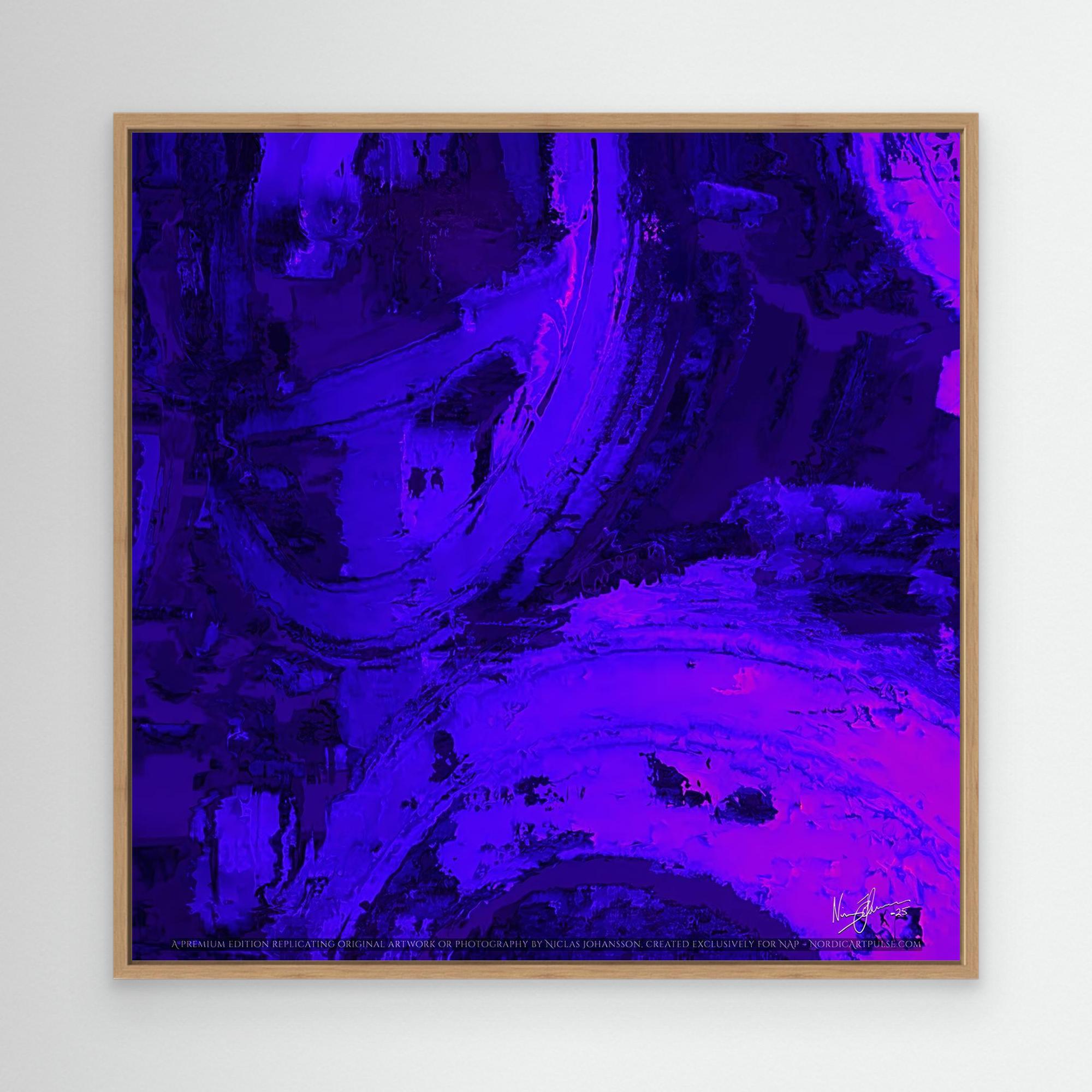
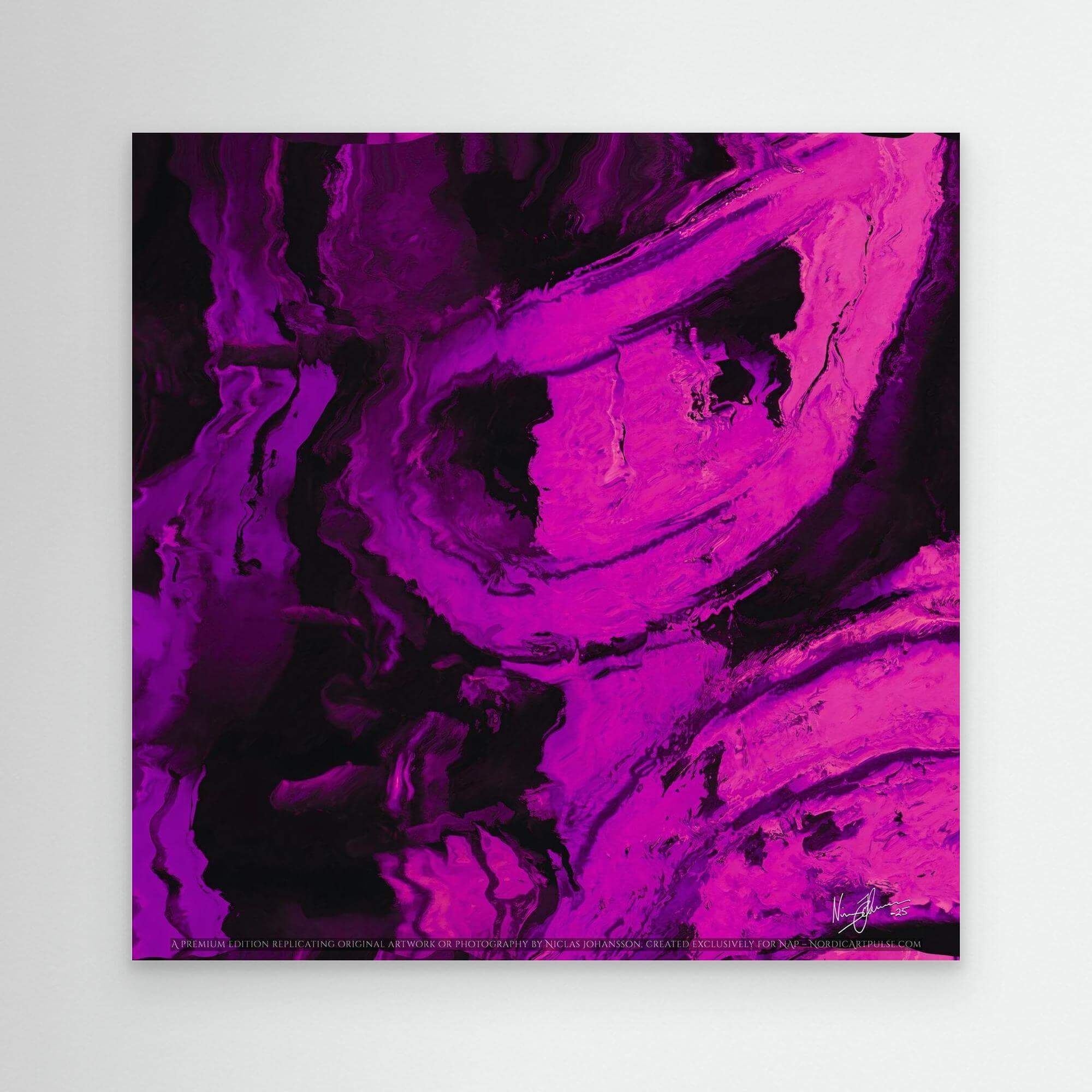
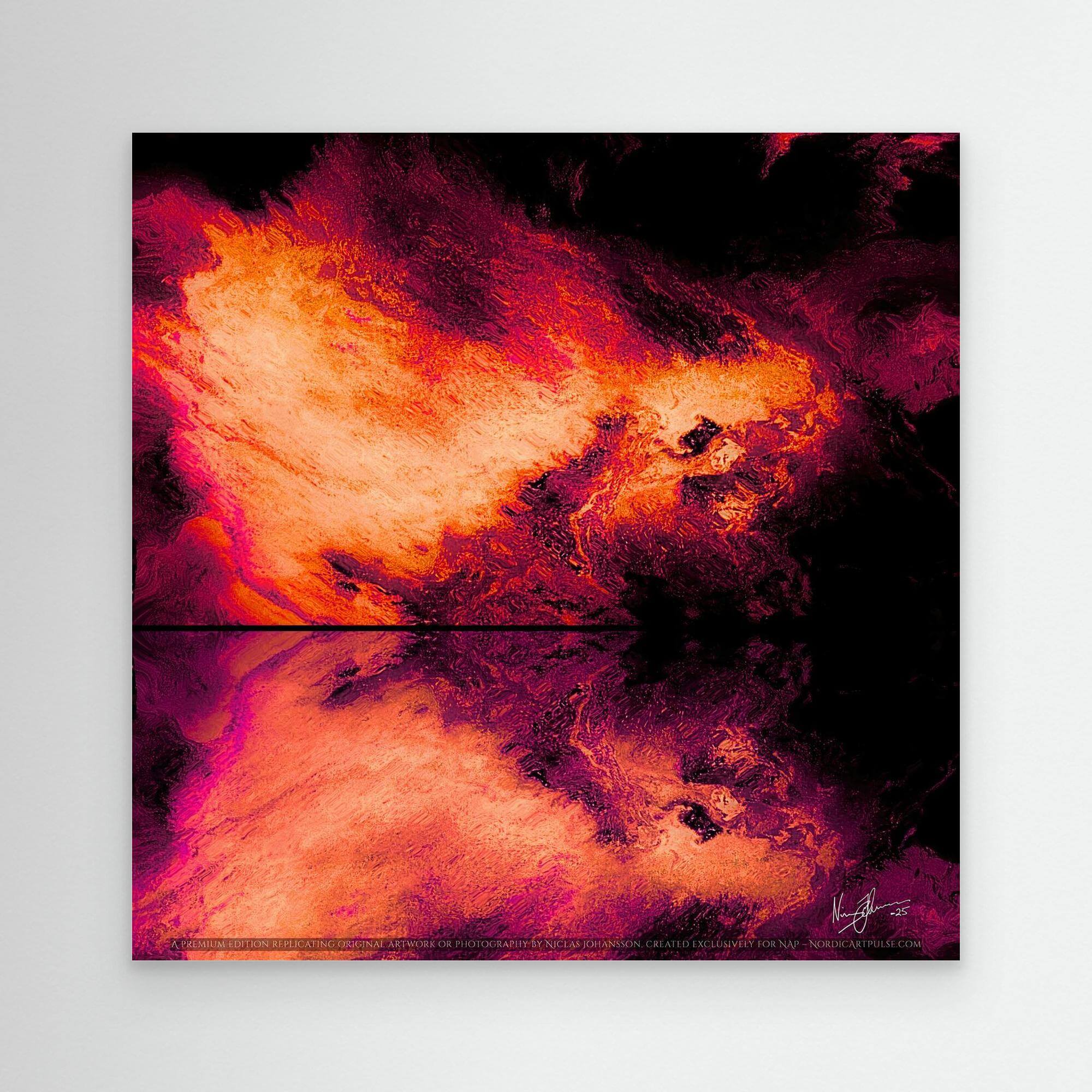
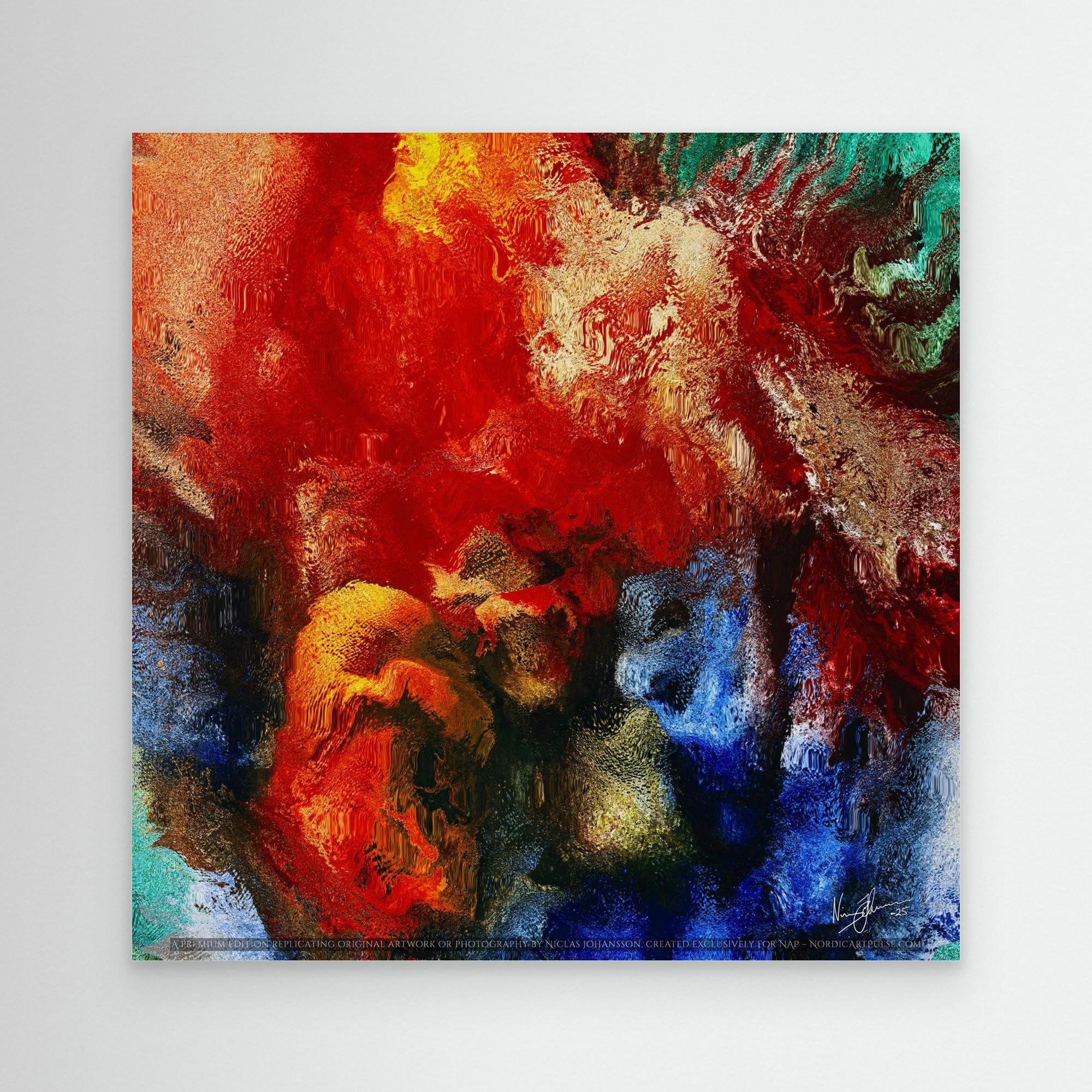
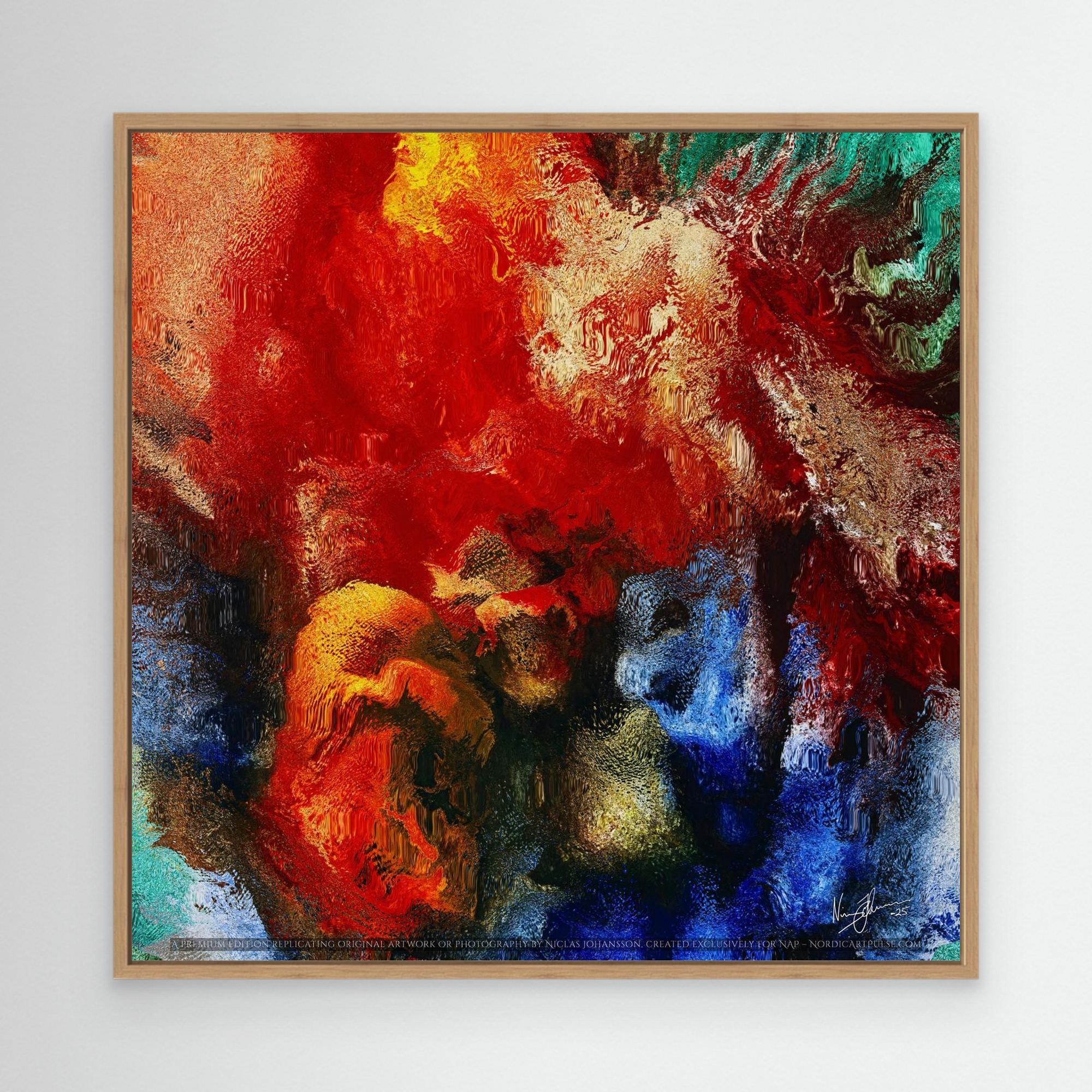
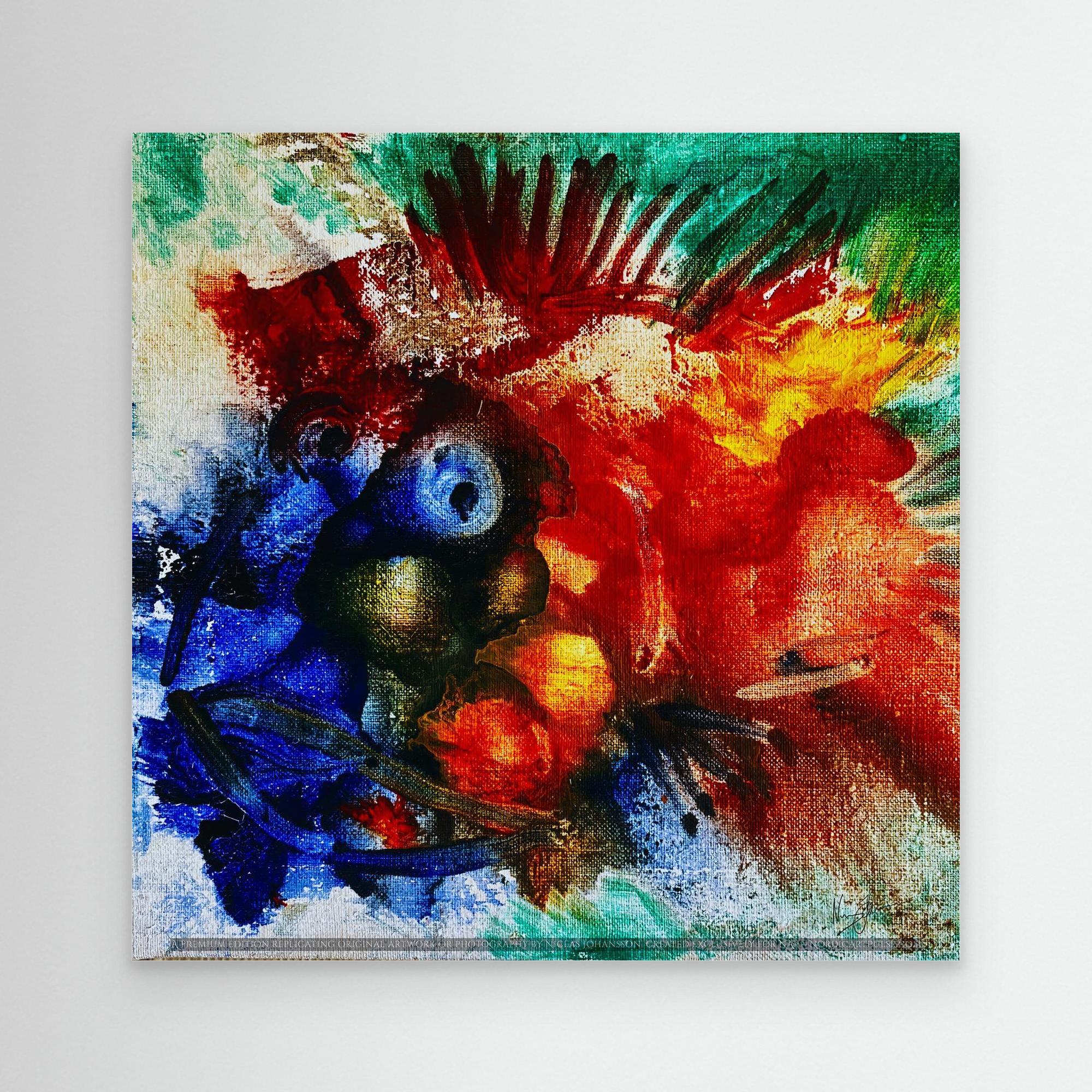
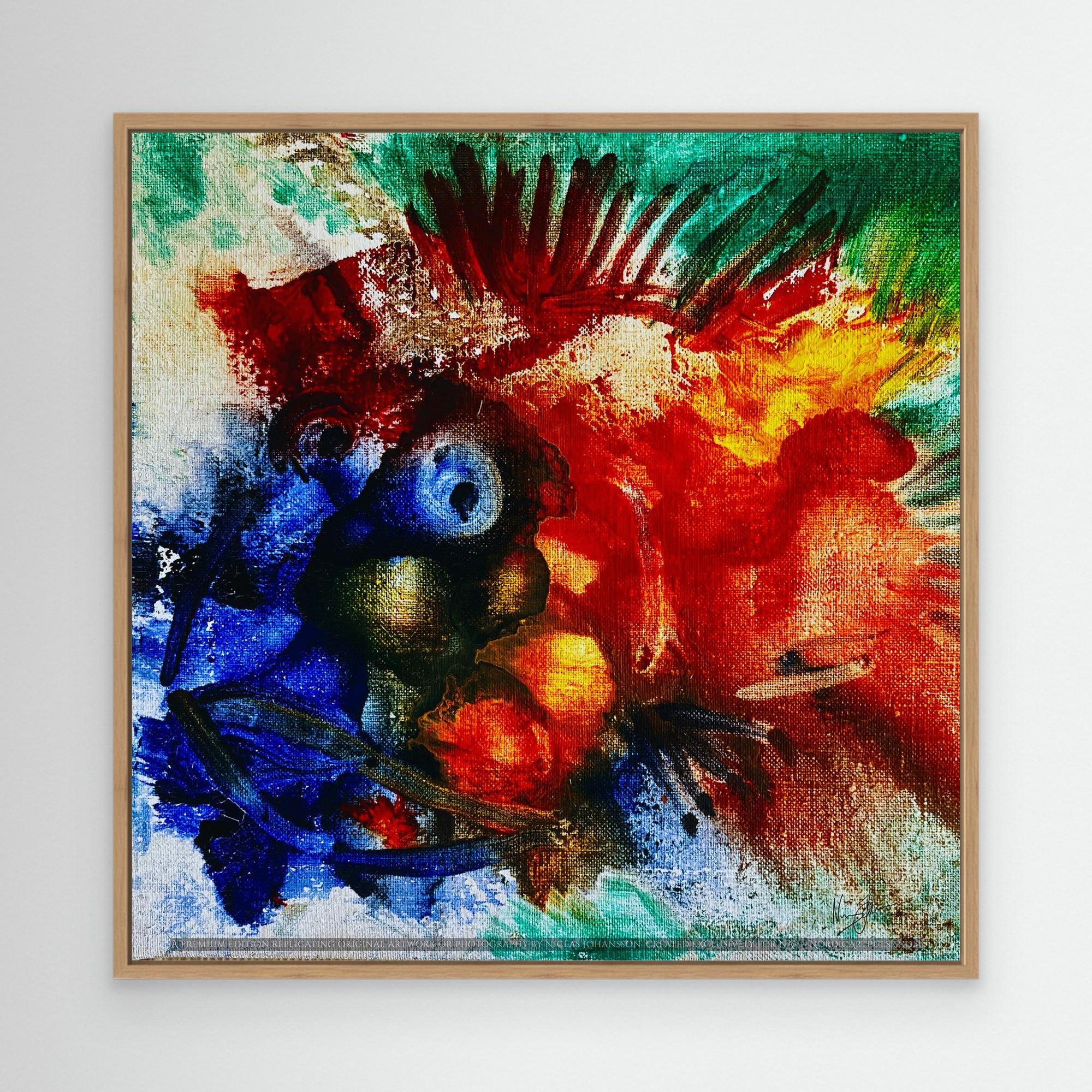
Abstract Expressionism is a distinctive art style that emerged in the mid-20th century, characterized primarily by spontaneous, gestural brushwork that conveys the artist's emotional intensity. This style emphasizes a bold, expressive use of color, often prioritizing emotion over realistic representation.
The artworks typically feature dynamic compositions with layered textures, creating a sense of movement and energy that draws viewers into an immersive experience. Artists working within this movement sought to express their inner feelings and subconscious thoughts through their paintings, emphasizing personal expression and creative freedom.
The emphasis on individualism is evident in the often unconventional techniques and abstract forms employed, which reject traditional rules of composition and realism. These works encourage viewers to interpret meaning based on their emotional responses rather than focusing solely on recognizable images or realistic depictions. Overall, Abstract Expressionism celebrates the raw power of artistic expression and each artist's unique voice. It aligns with a broader desire to break free from established artistic conventions, allowing for an uninhibited exploration of emotion, spontaneity, and personal insight.
This style has had a lasting impact on the development of modern art, championing innovation and the importance of individual creative vision.